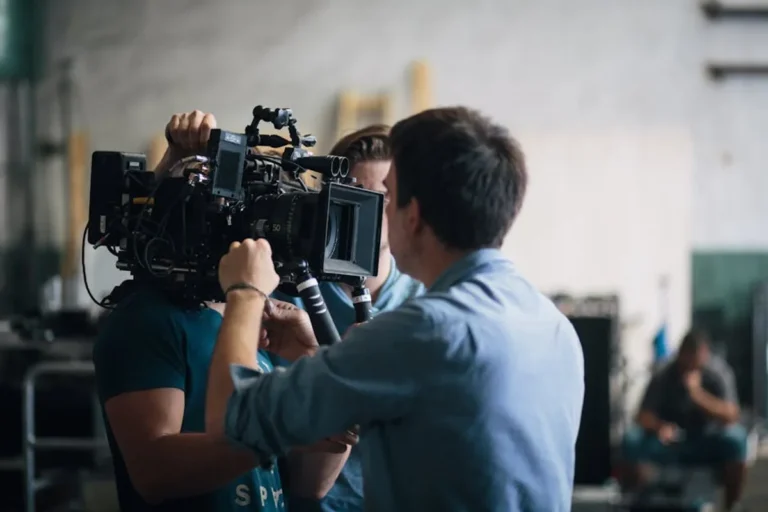

The landscape of entertainment publishing offers a unique, consistently high-volume opportunity for content creators and marketers. Upcoming movie releases and general entertainment news are not merely trending topics; they represent a predictable, cyclical content stream driven by immense public interest. For SEO professionals, agencies, and site owners, this niche presents a clear path to capturing significant search traffic, fostering deep audience engagement, and establishing authoritative content hubs. The key lies in understanding audience intent, anticipating release cycles, and optimizing content for discoverability across various stages of a title's lifecycle, from initial announcements to post-release analysis.
The Enduring Appeal of Entertainment News
Entertainment news, particularly around film and television, consistently generates robust search interest. This isn't fleeting curiosity; it's a sustained demand for information, driven by a global audience eager for updates on their favorite franchises, actors, and directors. This audience spans demographics, from casual viewers seeking "what to watch next" to dedicated fans tracking every production detail. Publishers who strategically cater to this demand can tap into a reliable source of traffic, characterized by high engagement rates and a propensity for repeat visits as new information emerges or release dates shift. The commercial value extends beyond simple pageviews, offering direct avenues for affiliate revenue, advertising, and premium content subscriptions.
Strategic Content Planning for Release Cycles
Effective coverage of upcoming movie releases and entertainment news requires a structured content calendar aligned with the typical lifecycle of a film or series. This proactive approach ensures content is published at optimal times to capture peak search interest.
Pre-Release Hype: Generating Early Buzz
Before a film or show premieres, anticipation builds through official announcements, casting news, and production updates. Content during this phase focuses on speculation, analysis, and basic informational queries.
- Announcement Breakdowns: Detail initial press releases, cast lists, and director statements.
- Trailer Analysis: Deconstruct trailers for plot hints, visual style, and character introductions.
- Speculation & Theories: Engage audiences with discussions about potential plotlines, character arcs, and connections to existing lore.
- Release Date Tracking: Maintain updated lists of confirmed and rumored release dates across platforms.
SEO Focus: Target long-tail keywords related to "when is [movie title] coming out," "cast of [show]," and "[director] next project." This phase is crucial for establishing early authority and capturing users at the informational discovery stage.
During-Release Coverage: Capitalizing on Peak Interest
The period immediately surrounding a release sees an explosion of search activity. Users are looking for reviews, plot explanations, and immediate access to content.
Content types:
- Reviews: Offer timely, insightful critiques immediately upon embargo lift.
- Plot Summaries & Explanations: Address "ending explained" queries and clarify complex narratives.
- Box Office & Streaming Performance: Report on opening weekend numbers or streaming viewership data.
- Easter Eggs & Hidden Details: Cater to dedicated fans looking for deeper analysis.
SEO Focus: Prioritize freshness and speed. Keywords shift towards "watch [movie] online," "[movie] reviews," and "[show] season 1 episode 5 recap." This content often has a shorter shelf life but delivers intense traffic spikes.
Post-Release Longevity: Sustaining Engagement
Even after initial release, content can maintain relevance. This phase focuses on evergreen topics and updates.
Content types:
- Streaming Availability Updates: Inform users when a film moves from theatrical release to VOD, then to subscription services.
- Retrospective Analyses: Explore a film's cultural impact or revisit its themes years later.
- Sequel & Spinoff News: Track any developments regarding follow-up projects.
- "Best Movies Like X" Lists: Leverage popular titles to recommend similar content.
SEO Focus: Evergreen content that continues to attract passive search traffic over time. Keywords include "where to stream [movie]," "movies similar to [genre]," and "[franchise] future."
Understanding and Targeting Search Intent
Successful entertainment content hinges on accurately matching user search intent. Different stages of a film or show's lifecycle correspond to distinct user needs:
- Informational Intent: Users seeking basic facts ("who stars in Dune 2?", "what is the plot of Oppenheimer?"). Content should provide clear, concise answers.
- Navigational Intent: Users looking for a specific resource ("official Barbie movie trailer," "Netflix's new releases"). Direct links and clear pathways are essential.
- Commercial Investigation Intent: Users evaluating options before making a decision ("is Wonka worth watching?", "best streaming service for Marvel movies"). Reviews, comparisons, and expert opinions are valuable here.
- Transactional Intent: Users ready to act ("buy movie tickets for Aquaman 2," "subscribe to Disney+"). Content should facilitate this action with clear calls to action and links.
Mapping keywords to these intent types allows for precise content creation and optimization, ensuring that the published material directly answers the user's query.
Monetization Avenues for Entertainment Content
The high volume and engaged nature of entertainment news traffic translate into diverse monetization opportunities for publishers:
- Affiliate Marketing: Partner with streaming services, digital rental platforms, ticketing agencies, and merchandise retailers. Recommend specific products or services within relevant content, earning a commission on sales or subscriptions.
- Display Advertising: Leverage high pageview counts to attract premium ad placements. Contextual advertising networks can perform particularly well when paired with highly relevant content.
- Sponsored Content: Collaborate with film studios, streaming platforms, or production companies for sponsored reviews, features, or promotional articles. Ensure transparency and maintain editorial integrity.
- Premium Subscriptions: Offer exclusive access to in-depth analysis, early reviews, or behind-the-scenes content for a fee. This builds a loyal, paying audience.
Optimizing for Discoverability and Authority
Beyond keyword targeting, several technical and editorial practices enhance the discoverability and perceived authority of entertainment news content.
Utilize Schema.org markup, specifically for Movie, TVSeries, and Event types, to provide search engines with structured data about release dates, cast, ratings, and plot summaries. This can lead to rich snippets in search results, improving click-through rates.
Ensure robust Core Web Vitals performance, especially for media-rich pages that often include trailers, image galleries, and embedded interviews. Fast loading times and a stable visual experience are critical for user retention and search engine ranking.
Focus on establishing E-E-A-T (Experience, Expertise, Authoritativeness, Trustworthiness) signals. This means featuring expert reviewers with demonstrable knowledge of film history or specific genres, providing original analysis rather than rehashing press releases, and building a reputation for accurate and unbiased reporting.
Pro Tip: To stand out in a crowded entertainment news landscape, avoid simply regurgitating official press releases. Develop a unique editorial voice, offer original critical perspectives, or specialize in a niche within entertainment (e.g., indie horror, international cinema, animation). Genuine human expertise and a distinct angle are crucial for building a loyal audience and differentiating from generic news aggregators.
Practical Application: Building a Robust Entertainment News Hub
To effectively leverage upcoming movie releases and entertainment news, consider these actionable steps:
- Identify Target Sub-Niches: Determine if your site will cover broad entertainment or specialize (e.g., specific genres, streaming exclusives, independent film). Specialization helps build authority faster.
- Develop a Content Calendar: Map out major releases, festivals, and industry events. Plan content themes and publication dates well in advance.
- Invest in Quality Visual Assets: High-resolution images, embedded trailers, and custom graphics enhance user experience and shareability.
- Prioritize User Experience: Ensure media-heavy pages load quickly, are mobile-friendly, and offer intuitive navigation.
- Actively Monitor Search Trends: Use tools to track trending topics, rising keywords, and competitor coverage to adapt your strategy in real-time.
Frequently Asked Questions
How often should I publish entertainment news?
Consistency is key. Aim for a regular publishing schedule, whether daily or several times a week, to keep pace with the dynamic nature of entertainment news and maintain audience engagement.
What are the best sources for release date information?
Reliable sources include official studio press releases, major industry publications, dedicated film databases, and reputable film festival announcements.
How can I compete with major entertainment sites?
Focus on niche expertise, develop a unique editorial voice, provide deeper analysis, and prioritize user experience. Building a loyal community around your specific angle helps differentiate.
Is it better to focus on niche genres or broad appeal?
A niche focus can allow for deeper expertise and stronger community building, while broad appeal offers higher traffic potential but also increased competition. Consider your resources and target audience.