Independent filmmaking operates distinctly from the studio system, demanding a unique blend of creative vision, financial acumen, and logistical precision. For those looking to understand the mechanics behind bringing a film project to fruition outside major studios, the process involves navigating resource constraints, securing varied funding, and executing a multi-stage production with often limited personnel. This deep dive outlines the essential steps and strategic considerations involved in transforming an initial concept into a finished, distributed independent film.
Conception and Script Development
The Idea and Treatment
Every independent film begins with a core idea, often rooted in a personal narrative, a compelling social issue, or a unique genre exploration. This initial concept is typically expanded into a treatment, which functions as a detailed synopsis. A treatment outlines the plot, character arcs, key themes, and the overall tone and style of the film. It serves as the foundational document for attracting initial collaborators and provides a clear blueprint before committing to a full screenplay.
Scriptwriting and Revisions
The treatment evolves into a full screenplay, detailing dialogue, scene descriptions, and action. For independent productions, the script is not just a creative document; it's a critical tool for budget estimation and attracting talent. Screenwriters frequently iterate, refining dialogue for authenticity and streamlining scenes to optimize production efficiency and cost. Multiple drafts are common, often involving feedback from producers, potential directors, and script consultants to ensure market viability and creative integrity.
Pre-Production: Laying the Groundwork
Securing Funding and Budgeting
Unlike studio films with guaranteed backing, indie films rely on diverse funding sources, requiring producers to act as fundraisers and financial strategists. This phase dictates the scale and feasibility of the entire project. Common funding avenues include:
- Private Equity: Individual investors or small groups contributing capital in exchange for a share of potential profits. This often requires a detailed business plan and financial projections.
- Grants and Fellowships: Non-repayable funds from film organizations, arts councils, or foundations, frequently tied to specific themes, demographics, or artistic merit.
- Crowdfunding: Platforms like Kickstarter or Indiegogo allow filmmakers to solicit small contributions from a large number of individuals, often offering tiered perks in return.
- Pre-Sales and Distribution Deals: Agreements with distributors to purchase rights to the film in specific territories or formats before it's completed, providing upfront capital.
- Deferrals: Cast and crew agreeing to work for reduced or no upfront pay, with the understanding that they will be compensated from the film's profits.
A meticulous budget is then developed, allocating funds across development, pre-production, production, post-production, and distribution. Every line item, from equipment rentals to catering, is scrutinized to maximize resources.
Assembling the Core Team
With funding secured, the producer and director build out the core creative and logistical team. This typically includes a Director of Photography (DP), Production Designer, Line Producer, Assistant Director, and Casting Director. Each role is critical, and often, individuals wear multiple hats in smaller indie productions. Chemistry and shared vision among this core group are paramount for navigating the challenges ahead.
Pro Tip: When budgeting for an independent film, always include a contingency fund of at least 10-15% of the total budget. Unexpected costs, such as equipment malfunctions, weather delays, or unforeseen location issues, are almost inevitable and can derail a project without adequate financial buffer.
Casting and Location Scouting
Casting for indie films often involves a mix of established actors seeking challenging roles and emerging talent. The casting director works to find actors who not only fit the characters but also align with the project's budget constraints. Simultaneously, location scouts identify and secure suitable filming sites that enhance the narrative and are cost-effective, often leveraging natural settings or unique, accessible spaces over expensive studio sets.
Scheduling and Logistics
A detailed production schedule, or "shooting schedule," is created, breaking down the script into individual scenes and determining the most efficient order of filming. This process considers actor availability, location accessibility, crew shifts, and equipment needs. Logistics, including transportation, catering, permits, and insurance, are meticulously planned to ensure a smooth, compliant, and safe production environment.
Production: Bringing the Vision to Life
Principal Photography Challenges
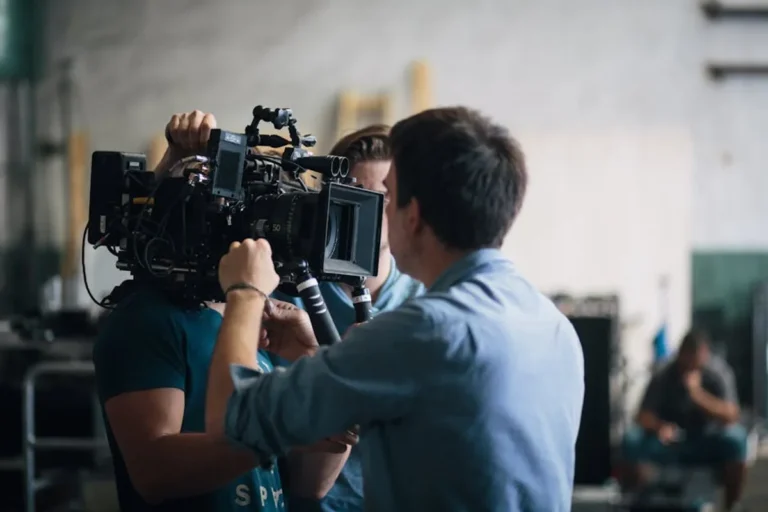
This is the intensive period of filming. Independent productions often face tighter schedules and smaller crews than studio counterparts, demanding efficiency and adaptability. Directors must make quick decisions, while the DP and camera crew work to achieve the desired visual aesthetic within technical and time constraints. Challenges frequently include managing limited takes, adapting to changing weather conditions, and troubleshooting equipment on the fly.
Managing Resources On Set
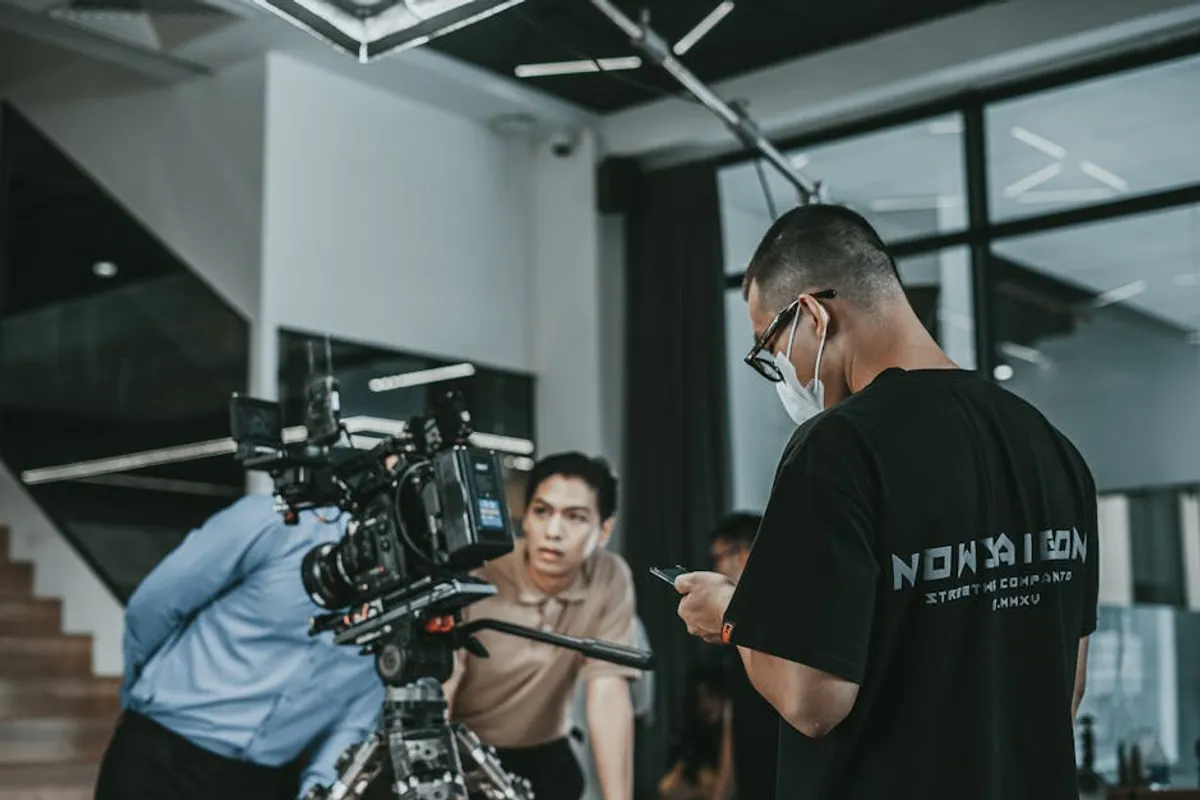
Effective on-set management is crucial for indie films. The Assistant Director (AD) maintains the schedule, ensuring scenes are shot on time and within budget. Production Assistants (PAs) handle myriad tasks, from coordinating talent to managing props. Every crew member's contribution is vital, and resourcefulness becomes a key asset, often requiring creative solutions to technical or logistical hurdles.
Post-Production: Crafting the Final Product
Editing and Visual Effects
Once filming concludes, the footage moves to the editing suite. The editor works closely with the director to assemble the raw material into a cohesive narrative, shaping pacing, performance, and emotional impact. Visual effects (VFX), if required, are integrated during this phase. Indie films often rely on practical effects or subtle digital enhancements due to budget limitations, emphasizing storytelling over spectacle.
Sound Design and Scoring
Sound is a critical, often underestimated, component of filmmaking. Sound designers clean up dialogue, create ambient soundscapes, and add specific sound effects to enhance the film's atmosphere and realism. A composer typically creates an original score, tailoring music to underscore emotional beats and drive the narrative. The final sound mix ensures all audio elements are balanced and clear.
Color Grading and Finishing
Color grading involves adjusting the color and light of each shot to achieve a consistent visual tone and enhance the film's aesthetic. This process can dramatically impact the mood and visual storytelling. After color grading, the film undergoes final quality control checks, including mastering for various distribution formats, ensuring technical specifications are met for exhibition.
Distribution and Marketing: Reaching an Audience
Festival Strategy
Film festivals serve as crucial platforms for independent films, offering opportunities for premieres, critical recognition, and attracting sales agents or distributors. A strategic festival submission plan targets festivals that align with the film's genre, themes, and target audience, aiming for a strong debut that can build buzz and momentum.
Sales Agents and Distributors
A sales agent acts as an intermediary, representing the film to potential distributors worldwide. They negotiate deals for theatrical, home entertainment, and digital rights in various territories. Distributors then handle the actual release, marketing, and exhibition of the film to the public. For indie filmmakers, securing a reputable sales agent and distribution deal is a significant milestone, often determining the film's reach and financial return.
Self-Distribution and Digital Platforms
Many independent filmmakers opt for self-distribution, leveraging digital platforms such as Vimeo On Demand, Amazon Prime Video Direct, or their own websites. This approach offers greater control over marketing and revenue splits but requires significant effort in audience building and direct promotion. Hybrid strategies, combining limited theatrical runs with digital releases, are also common.
Navigating the Indie Landscape
The journey of an independent film, from concept to audience, is a testament to perseverance and collaborative effort. Success hinges on a clear artistic vision coupled with pragmatic business decisions at every stage. Understanding the funding landscape, building a dedicated team, meticulously managing production, and strategically approaching distribution are all non-negotiable components. For filmmakers, this means embracing resourcefulness and adaptability; for audiences and industry observers, it means appreciating the intricate, often challenging, process that brings diverse cinematic voices to the screen.
Frequently Asked Questions
How long does it typically take to make an independent film?
The timeline varies widely based on budget, complexity, and team size. A micro-budget feature might take 1-2 years from script to distribution, while more ambitious projects can extend to 3-5 years or longer, especially if funding acquisition is protracted.
What is the biggest financial challenge for indie filmmakers?
Securing adequate and consistent funding is often the primary financial hurdle. Indie films lack the upfront capital of studio productions, requiring filmmakers to piece together financing from multiple sources, which can be time-consuming and uncertain.
Do independent films make a profit?
Many independent films struggle to break even, but some achieve significant financial success through critical acclaim, strong festival runs, and effective distribution deals. Profitability is highly dependent on budget efficiency, audience reception, and strategic market positioning.
What role do film festivals play in an indie film's success?
Film festivals are crucial for independent films as they offer exposure, critical validation, and opportunities to attract sales agents and distributors. A successful festival run can generate buzz, secure media coverage, and enhance the film's market value, directly impacting its distribution prospects.