
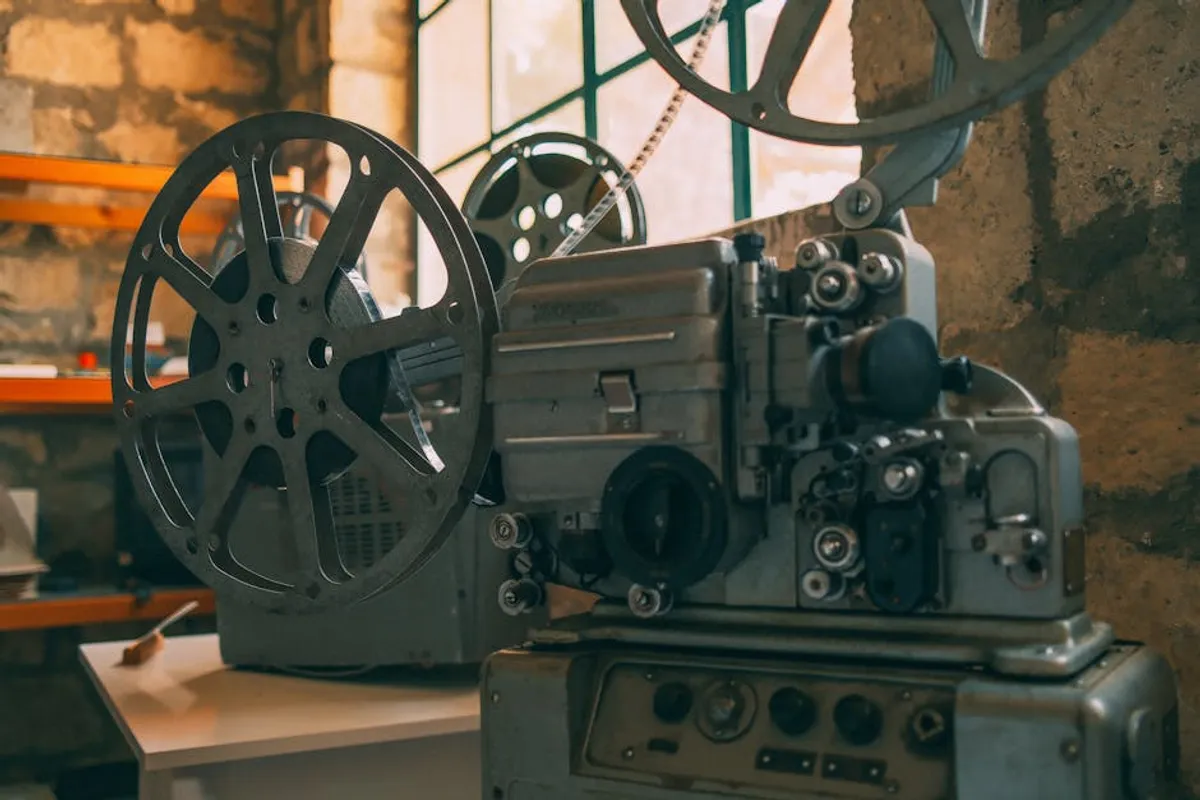
Engaging with classic films offers more than just historical curiosity; it provides a foundational understanding of cinema's evolution, narrative structures, and visual language. For any dedicated movie fan, exploring these seminal works is essential for appreciating the craft, recognizing recurring motifs, and contextualizing contemporary filmmaking. These films often represent technical breakthroughs, define new genres, or capture specific cultural moments with enduring relevance, shaping the cinematic landscape that followed. Understanding their impact allows for a deeper, more informed engagement with the art form, moving beyond surface-level entertainment to a richer appreciation of storytelling and artistic expression.
Foundations of Narrative and Visual Storytelling
Citizen Kane (1941)
Orson Welles' debut feature remains a benchmark for its radical approach to filmmaking. Its non-linear narrative structure, which pieces together the life of newspaper magnate Charles Foster Kane through multiple perspectives, was revolutionary at the time and continues to influence storytelling. Cinematographer Gregg Toland's innovative use of deep focus, allowing multiple planes of action to remain sharp simultaneously, provided unprecedented visual depth and narrative complexity within a single frame. Welles also pioneered overlapping dialogue and complex sound design, creating a more naturalistic and immersive auditory experience. While not a commercial success upon its initial release, its critical re-evaluation established it as a masterclass in cinematic technique, demonstrating how formal innovation could serve character and theme.
Casablanca (1942)
This wartime romantic drama exemplifies the enduring power of classic Hollywood storytelling. Its tight script, co-written by Julius J. Epstein, Philip G. Epstein, and Howard Koch, delivers memorable dialogue and establishes indelible characters caught in a web of political intrigue and personal sacrifice. Humphrey Bogart's Rick Blaine and Ingrid Bergman's Ilsa Lund anchor a narrative rich with moral ambiguity and poignant choices. The film's commercial success was immediate, reflecting its resonance with audiences during World War II. Its lasting appeal stems from its expertly crafted plot, iconic performances, and exploration of themes like duty, love, and disillusionment, which transcend its period setting to remain universally relatable.
Genre Evolution and Technical Milestones
Seven Samurai (1954)
Akira Kurosawa's epic stands as a monumental achievement in action cinema and ensemble storytelling. Set in 16th-century Japan, the film follows a group of masterless samurai hired to defend a village from bandits. Kurosawa's dynamic camera work, including extensive use of telephoto lenses and multi-camera setups for action sequences, created a visceral and immersive experience. The meticulous character development for each samurai and villager, combined with the film's three-and-a-half-hour runtime, allowed for an unprecedented depth of narrative and emotional investment. Its commercial success in Japan and critical acclaim internationally led to numerous remakes and homages, most notably *The Magnificent Seven*, solidifying its influence on the Western genre and action filmmaking worldwide.
2001: A Space Odyssey (1968)
Stanley Kubrick's science fiction masterpiece redefined the genre through its groundbreaking visual effects, philosophical scope, and ambiguous narrative. The film's meticulous production design, which depicted space travel with unprecedented realism, set new standards for cinematic spectacle. Kubrick's collaboration with Arthur C. Clarke resulted in a story that explored themes of human evolution, artificial intelligence, and existentialism without relying on conventional dialogue or exposition. Its use of classical music, particularly Richard Strauss's "Also sprach Zarathustra," became iconic. While initially polarizing critics and audiences, *2001* became a significant commercial success and a cultural touchstone, demonstrating cinema's capacity for profound intellectual and sensory experience.
Character Depth and Cultural Resonance
The Godfather (1972)
Francis Ford Coppola's adaptation of Mario Puzo's novel transformed the gangster genre into a sprawling American epic. The film delves into the Corleone family's criminal empire, exploring themes of power, loyalty, and the corrupting influence of the American Dream. Coppola's direction, combined with Gordon Willis's dark, atmospheric cinematography, created a distinct visual style that became instantly recognizable. The nuanced performances, particularly from Marlon Brando and Al Pacino, anchored a complex narrative that humanized its morally ambiguous characters. A massive commercial and critical success, *The Godfather* won multiple Academy Awards and profoundly influenced subsequent crime dramas, establishing new benchmarks for character-driven storytelling and cinematic world-building.
Blade Runner (1982)
Ridley Scott's neo-noir science fiction film, while initially a box office disappointment, has achieved cult status and profound influence. Set in a dystopian Los Angeles, the film explores questions of humanity and identity through the story of a "blade runner" hunting rogue replicants. Its visionary production design, characterized by rain-soaked streets, towering advertisements, and a blend of futuristic technology with decaying urban decay, created a unique and influential aesthetic. Vangelis's electronic score further contributed to its distinctive atmosphere. Multiple versions, particularly the Director's Cut, allowed for critical re-evaluation, cementing its place as a seminal work that continues to inspire discussions on artificial intelligence, urban planning, and the nature of existence.
Here are additional essential classic films that offer further insights into cinematic history and diverse storytelling approaches:
- Metropolis (1927) - A silent German Expressionist masterpiece of dystopian science fiction.
- Psycho (1960) - Alfred Hitchcock's groundbreaking psychological horror film, renowned for its narrative subversion and suspense.
- La Dolce Vita (1960) - Federico Fellini's episodic exploration of Roman high society, capturing a moment of cultural change.
- Rear Window (1954) - Another Hitchcock thriller, exemplary for its confined setting and masterful suspense building.
- Rashomon (1950) - Akira Kurosawa's exploration of subjective truth through multiple perspectives, influencing narrative structure.
Pro Tip: When approaching older classic films, consider their historical context. Pacing, acting styles, and special effects often differ significantly from modern cinema. Understanding the technological limitations and cultural norms of the era can enhance appreciation for the filmmakers' achievements and the film's original impact, rather than judging them solely by contemporary standards.
Deepening Your Cinematic Appreciation
Engaging with these classic films offers a richer understanding of how cinema has evolved, revealing the foundational techniques and narrative innovations that underpin contemporary movies. Each film discussed represents a specific milestone in cinematic history, whether through its technical achievements, thematic depth, or cultural impact. By experiencing these works, movie fans gain a broader perspective on storytelling, genre conventions, and the enduring power of visual artistry. This exposure not only enriches the viewing experience but also sharpens critical faculties, allowing for a more informed and nuanced appreciation of all forms of cinematic expression, past and present.
Frequently Asked Questions
What defines a "classic" film?
A classic film is typically defined by its enduring artistic merit, significant cultural impact, historical importance, and lasting influence on subsequent filmmaking. These films often achieve widespread critical acclaim and maintain relevance across generations.
Are older films still relevant today?
Absolutely. Many classic films explore universal themes such as love, loss, power, and identity, making their narratives and characters timeless. They also provide crucial context for understanding the evolution of cinematic techniques and storytelling, directly influencing modern movies.
Where can I watch classic films?
Classic films are available through various platforms, including streaming services specializing in older cinema (e.g., The Criterion Channel), digital rental and purchase platforms, physical media (DVD/Blu-ray), and often through local libraries or repertory cinemas.
How do I start watching classic films if I'm new to them?
Begin with critically acclaimed and widely accessible titles that align with genres you already enjoy. Focus on films known for their strong narratives or visual innovation. Consider watching films with accompanying critical commentary or historical context to deepen your appreciation.