
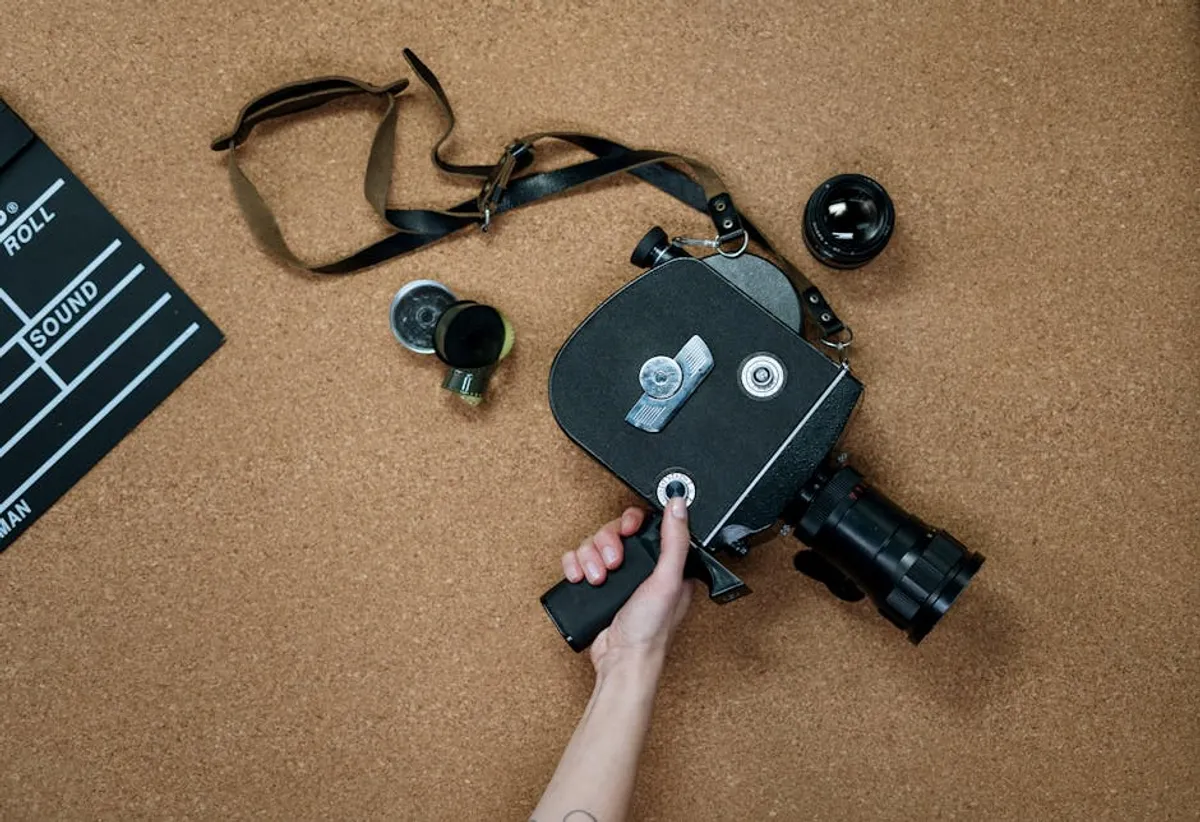
Choosing the right movie review format for an entertainment blog is a strategic decision that directly impacts audience engagement, search visibility, and potential for monetization. The objective isn't merely to summarize a film, but to provide unique value that differentiates your content in a crowded digital landscape. Each format offers distinct advantages for capturing specific reader intents, whether they are seeking a quick recommendation, a deep critical analysis, or a discussion of nuanced themes. Understanding these differences allows publishers to tailor content to their target demographic, optimize for relevant keywords, and build a loyal readership that values the specific type of insight provided.
How to Choose a Movie Review Format
Selecting an effective movie review format requires aligning it with your blog's editorial mission, target audience, and content production capabilities. Consider the primary intent of your readers: are they looking for a quick "should I watch it?" answer, or a detailed breakdown that enhances their post-viewing experience? A format that aligns with reader expectations will lead to higher engagement metrics like time on page and repeat visits. Evaluate the complexity of the films you typically cover; a nuanced art-house film might warrant a thematic deep dive, while a blockbuster could benefit from a concise pros and cons list. Also, assess your content team's strengths. Can they consistently produce long-form critical essays, or are they better suited for punchy, opinion-driven pieces? Finally, consider the commercial goals. Formats that generate discussion can drive comments and social shares, while highly structured reviews might be easier to optimize for featured snippets and direct answers in search results. The right format serves both the reader and the publisher's strategic objectives.
1. The Traditional Critical Analysis
This format mirrors academic or journalistic film criticism, offering an in-depth exploration of a film's narrative, direction, performances, cinematography, and thematic elements. It typically follows a structured essay format, beginning with a synopsis, moving into detailed analysis, and concluding with a considered judgment. The emphasis is on intellectual engagement and providing a comprehensive understanding of the film's artistic merits and flaws, often drawing on film theory or historical context.
Best for: Audiences seeking sophisticated, well-reasoned critiques; blogs aiming to establish authority in film studies or serious commentary; films with significant artistic or cultural weight.
Pros: Builds editorial credibility; allows for nuanced discussion; generates high time-on-page metrics from engaged readers; strong potential for long-tail keyword targeting around specific artistic elements or themes.
Cons: Requires significant research and writing skill; can be perceived as inaccessible or overly academic by casual viewers; higher production cost per article due to time investment.
Verdict: Effective for niche audiences and establishing thought leadership, but demands a high level of expertise and may alienate readers seeking quick entertainment recommendations.
2. The Pros and Cons Breakdown
This format distills a movie review into a clear, scannable list of positive and negative aspects. Each point is usually accompanied by a brief explanation or example, making it easy for readers to quickly grasp the film's strengths and weaknesses without reading a lengthy essay. It often concludes with a summary judgment or recommendation.
Best for: Readers looking for quick decision-making information; films with clear-cut strengths and weaknesses; content designed for easy scanning on mobile devices.
Pros: Highly scannable and digestible; appeals to busy readers; straightforward to produce; can perform well in search for "is X movie good" type queries due to direct answers.
Cons: Can oversimplify complex films; may lack the depth required for nuanced discussions; less opportunity for long-form keyword integration or showcasing advanced critical insight.
Verdict: A practical, user-friendly format for broad appeal and quick consumption, but it sacrifices critical depth for immediate utility.
3. The Rating-Centric Review
This format prioritizes a numerical or star-based rating system, with the written content serving primarily to justify that score. Reviews are often concise, focusing on key elements that directly contribute to the final rating. Some variations include sub-ratings for categories like acting, direction, or story, providing a granular view of performance. The rating itself is the primary draw.
Best for: Audiences who rely heavily on aggregate scores; blogs integrating with rating platforms or aiming for quick, comparable judgments; sites focused on a high volume of reviews.
Pros: Extremely scannable; allows for quick comparisons between films; ratings can be easily shared on social media; structured data for ratings can enhance search visibility (e.g., rich snippets).
Cons: Can reduce film art to a simplistic number; the justification for the rating might feel rushed; difficult to convey complex emotional or thematic impact solely through a score.
Verdict: Excellent for immediate user comprehension and search engine optimization through schema, but risks oversimplifying the critical discourse around a film.
4. The Thematic Deep Dive
Instead of a general overview, this format focuses on one or two central themes, motifs, or ideas present in a film. The review explores how these themes are developed through narrative, character, visual symbolism, and directorial choices. It assumes the reader has already seen the film or is comfortable with spoilers, as the discussion often requires referencing specific plot points to illustrate thematic arguments.
Best for: Films rich in symbolism or complex ideas; audiences interested in philosophical or social commentary; blogs aiming for thought-provoking, post-viewing analysis.
Pros: Offers unique, insightful perspectives not found in general reviews; encourages deep engagement and discussion; strong potential for targeting specific thematic long-tail keywords (e.g., "meaning of X in Y movie").
Cons: Niche appeal; requires a strong understanding of film and critical theory; inherently spoiler-heavy, limiting its utility for pre-release or spoiler-averse audiences.
Verdict: A powerful format for intellectual engagement and establishing authority on specific topics, but it caters to a more specialized audience and requires careful spoiler management.
5. The Spoiler-Heavy Discussion
This format explicitly embraces spoilers, dedicating its content to dissecting pivotal plot twists, character fates, and narrative resolutions. It's designed for readers who have already seen the film and want to process, debate, or understand specific events. The review often functions as a post-viewing companion piece, exploring implications, theories, and the effectiveness of key narrative choices.
Best for: Films with significant twists or ambiguous endings; audiences seeking clarification or deeper understanding after viewing; fostering community discussion and speculation.
Pros: Can address specific reader curiosities directly (e.g., "ending of X movie explained"); generates high engagement from invested viewers; positions the blog as a resource for post-viewing analysis.
Cons: Excludes a large segment of the audience (those who haven't seen the film); requires clear spoiler warnings; limited pre-release SEO value.
Verdict: Highly effective for post-release engagement and fulfilling specific search intent around plot details, but its utility is restricted to viewers who have already experienced the film.
6. The Quick Take/Micro Review
Characterized by extreme brevity, this format delivers a concise opinion and recommendation in a few sentences or a short paragraph. It prioritizes immediate impact and shareability over detailed analysis. Often accompanied by a simple rating, its purpose is to provide a rapid assessment for someone scrolling through social media or seeking a snapshot opinion.
Best for: Social media sharing; mobile-first audiences; blogs aiming for high-volume, rapid-fire content; films that require minimal critical dissection.
Pros: High shareability; minimal production effort; caters to short attention spans; excellent for driving traffic from social platforms.
Cons: Lacks critical depth and nuance; offers limited SEO value beyond direct title searches; difficult to establish authority or unique insight with such brevity.
Verdict: Ideal for broad reach and quick impressions, but it sacrifices any meaningful critical contribution for speed and accessibility.
7. The Comparative Review
This format examines a film by comparing it to another related work, such as its source material (book, comic), a previous installment in a franchise, or another film within the same genre or by the same director. The comparison serves as the primary lens through which the current film is evaluated, highlighting similarities, differences, and improvements or regressions.
Best for: Adaptations of popular media; sequels or reboots; films that intentionally reference or subvert other works; audiences interested in intertextual analysis.
Pros: Provides a unique angle for discussion; taps into existing fan bases of the source material or related films; strong potential for targeting "X vs Y" comparison keywords.
Cons: Requires familiarity with multiple works; can be challenging to balance discussion of both films without confusing the reader; may inadvertently spoil related works.
Verdict: Offers a compelling analytical framework for films with clear predecessors or counterparts, appealing to readers interested in broader cinematic or narrative contexts.
8. The Audience-Focused Recommendation
Rather than a universal critical judgment, this format tailors its recommendation to specific viewer demographics or preferences. It answers the question, "Who is this movie for?" by identifying target audiences (e.g., "fans of psychological thrillers," "families with young children," "those who enjoyed X film") and explaining why the film would or wouldn't appeal to them. It prioritizes practical viewing advice over deep critical analysis.
Best for: Readers seeking personalized viewing suggestions; niche audiences with specific genre preferences; blogs aiming to be a trusted guide for diverse viewers.
Pros: Highly practical and actionable for readers; can attract specific demographic searches; builds trust by aligning recommendations with stated preferences.
Cons: May not appeal to readers seeking traditional critical insights; requires a good understanding of various audience segments; less emphasis on the film's intrinsic artistic value.
Verdict: An effective format for direct consumer guidance and building a loyal audience by speaking directly to their viewing habits and preferences.
9. The Director/Auteur Study
This format places a film within the broader context of a specific director's body of work. The review analyzes how the film reflects or deviates from the director's signature style, recurring themes, visual motifs, or narrative preoccupations. It assumes a reader's interest in the director's filmography and aims to deepen their appreciation of the auteur's contribution to cinema.
Best for: Audiences interested in film history and directorial vision; blogs with an academic or cinephile leaning; films by critically acclaimed or stylistically distinctive directors.
Pros: Offers a sophisticated layer of analysis; positions the blog as an authority on specific filmmakers; strong potential for long-tail keywords related to directors and their oeuvres.
Cons: Requires extensive knowledge of a director's work; niche appeal; can be less accessible to casual moviegoers who are unfamiliar with the director's other films.
Verdict: Provides rich, interconnected analysis for dedicated film enthusiasts, deepening appreciation for a director's artistic journey, but requires specialized knowledge.
10. The Genre-Specific Lens
This format evaluates a film primarily through the conventions, tropes, and expectations of its specific genre (e.g., horror, sci-fi, romantic comedy, western). The review assesses how well the film adheres to, subverts, or innovates within its genre, and how it measures up against other notable entries. It's for readers deeply invested in particular film categories.
Best for: Genre enthusiasts; blogs specializing in specific film categories; films that are prime examples or significant departures from genre norms.
Pros: Appeals directly to dedicated genre fans; provides relevant context and comparisons within a familiar framework; excellent for targeting genre-specific long-tail keywords.
Cons: May overlook broader cinematic qualities in favor of genre adherence; less useful for films that defy easy genre classification; can become formulaic if not handled creatively.
Verdict: Highly effective for engaging passionate genre communities by speaking their specific language and evaluating films against established genre benchmarks.
11. The Character-Driven Analysis
This format centers its review on the development, motivations, and impact of a film's key characters. It explores how performances, dialogue, and plot events shape character arcs, and how these characters contribute to the film's overall message or emotional resonance. The narrative and technical aspects are discussed primarily in relation to their effect on character portrayal.
Best for: Films with strong, complex characters; audiences who connect deeply with character journeys; blogs that prioritize storytelling and psychological depth.
Pros: Creates emotional connection with readers; allows for nuanced discussion of acting and writing; strong potential for targeting character-specific keywords (e.g., "X character analysis in Y movie").
Cons: Less suitable for plot-driven or abstract films where characters are secondary; can become overly subjective if not grounded in textual evidence.
Verdict: An engaging format for exploring the human element of cinema, resonating with audiences who prioritize character depth and narrative emotional impact.
12. The "Watch or Skip" Guide
This is an extremely direct and utilitarian format designed to provide an immediate, actionable recommendation. It usually features a prominent "Watch It" or "Skip It" verdict, followed by a concise list of reasons supporting the decision. It focuses squarely on helping the reader decide whether to invest their time, often considering factors like entertainment value, pacing, and overall enjoyment rather than deep critical analysis.
Best for: Time-sensitive decision-making; audiences seeking immediate, no-nonsense advice; blogs aiming for high conversion on recommendations (e.g., affiliate links to streaming services).
Pros: Maximizes immediate utility for the reader; highly scannable; effective for driving quick traffic for topical new releases; can be optimized for direct answer snippets in search.
Cons: Offers minimal critical insight or unique perspective; can feel reductive for artistically complex films; limited scope for long-form SEO content.
Verdict: An excellent format for practical, rapid-fire consumer guidance, particularly for new releases, but it prioritizes utility over critical depth.
Measuring Success and Choosing the Right Format
To determine the effectiveness of your chosen movie review formats, focus on metrics that indicate reader engagement and content performance. Google Analytics provides data on average time on page, bounce rate, and scroll depth, which can reveal how thoroughly readers are consuming your content. High time on page for a critical analysis suggests deep engagement, while a low bounce rate on a quick take indicates immediate value. Monitor social shares and comments to gauge discussion generation, particularly for thematic deep dives or spoiler-heavy discussions. For formats incorporating ratings, track click-through rates to streaming services or ticket vendors if those are part of your monetization strategy. A/B testing different formats for similar types of films can provide direct comparisons on engagement and conversion. Ultimately, the "right" format is the one that consistently meets your audience's needs while achieving your blog's specific commercial and editorial objectives.
Frequently Asked Questions
Q: How do I handle spoilers in my movie reviews?
A: For formats like Traditional Critical Analysis or Quick Takes, provide a clear spoiler warning at the beginning of the review. For Spoiler-Heavy Discussions or Thematic Deep Dives, assume spoilers are present and state that explicitly in the title or introduction. Some blogs also use collapsible text or dedicated spoiler sections.
Q: Should I use a rating system for my reviews?
A: A rating system (e.g., stars, numerical scores) can increase scannability and provide quick context for readers. It also allows for schema markup, which can enhance search engine visibility. However, ensure your written review justifies the rating to maintain credibility. If your blog prioritizes nuanced discussion over quick judgments, a rating might be optional or secondary.
Q: Can I combine different review formats?
A: Yes, hybrid formats are common. For instance, a Traditional Critical Analysis might begin with a Quick Take summary and include a Pros and Cons section. The key is to maintain clarity and ensure the combined elements serve a cohesive purpose without creating a disjointed reader experience. Prioritize readability and logical flow.
Q: How frequently should I publish movie reviews?
A: Publishing frequency depends on your resources and audience expectations. For new releases, timeliness is crucial, so quick takes or watch/skip guides can be published rapidly. More in-depth formats like Thematic Deep Dives might be published less frequently but offer evergreen value. Consistency is more important than sheer volume; establish a schedule your audience can anticipate.
Q: What role does SEO play in choosing a review format?
A: SEO is critical. Formats like the Pros and Cons Breakdown or Rating-Centric Reviews can be optimized for featured snippets and direct answers. Thematic Deep Dives and Director/Auteur Studies lend themselves to long-tail keyword targeting. Understanding search intent (e.g., "X movie review" vs. "X movie ending explained") helps you select formats that naturally align with what users are searching for, improving organic visibility.