
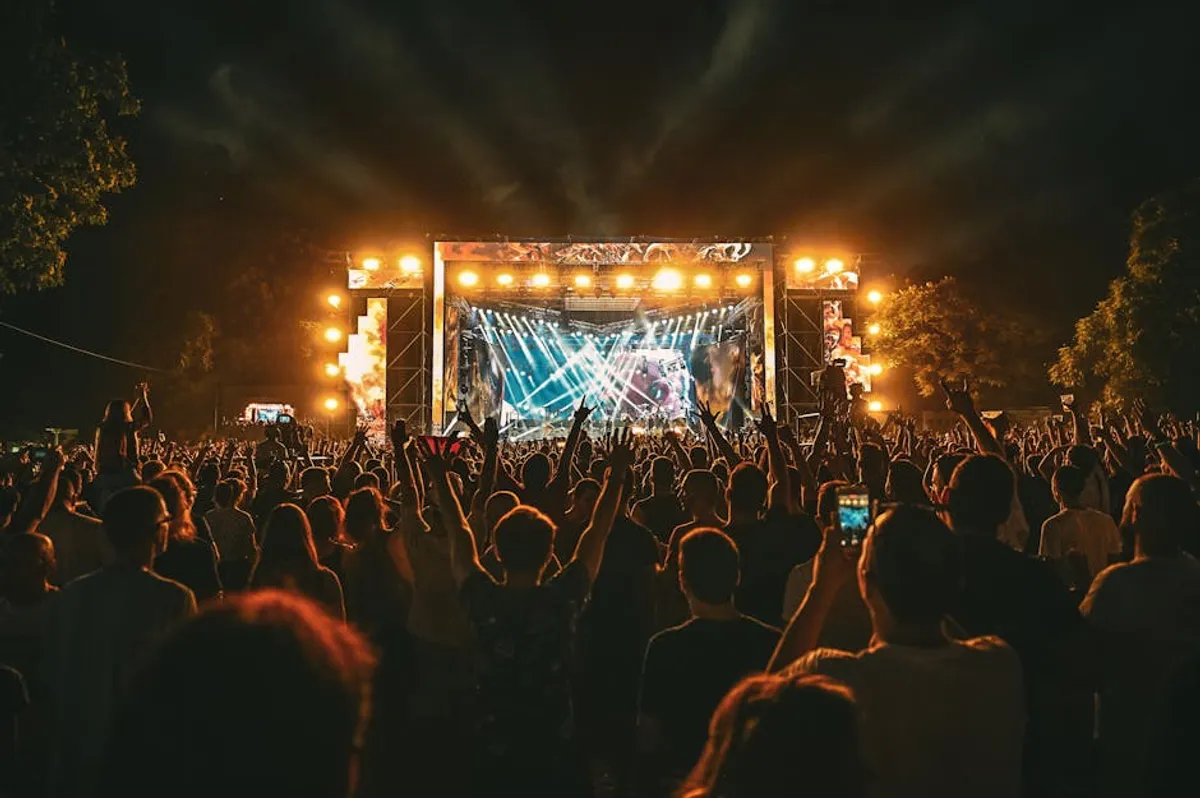
Festival lineups, often perceived as ephemeral content tied to specific event dates, hold substantial untapped potential as evergreen assets for publishers and content strategists. While the immediate peak search volume for an upcoming festival lineup is transient, the long-term informational and historical value of this data persists. Savvy content creators recognize that historical lineups, artist appearances, and the contextual information surrounding these events generate sustained organic traffic long after the last stage light dims. This approach shifts focus from short-term promotional boosts to building a durable content library that consistently attracts users seeking specific artist histories, past event details, or genre-specific retrospectives.
The Enduring Search Value of Historical Festival Lineups
The organic search landscape is not solely driven by current events. A significant portion of search queries relates to historical data, retrospective analysis, and long-tail information. Festival lineups, particularly those from well-established or iconic events, fall directly into this category. Users frequently search for:
- "who played [Festival Name] [Year]"
- "[Artist Name] festival appearances history"
- "lineup for [Genre] festival [Year]"
- "best [Festival Name] lineups ever"
- "artists who played [Festival Name] multiple times"
These queries demonstrate a clear intent for historical data, artist discovery, and nostalgic engagement, all of which can be served by well-structured lineup content. Unlike news articles that rapidly depreciate in search value, a comprehensive archive of festival lineups retains its relevance and continues to accumulate organic visibility over time, acting as a consistent draw for interested audiences.
Structuring Lineup Content for Sustained Organic Growth
To maximize the evergreen potential of festival lineups, content must be structured beyond a simple list of names. Each lineup page should function as a rich data hub, interlinking related entities and providing context. This includes:
Artist Profiles: Link each artist on a lineup to a dedicated profile page on your site. These profiles can detail discographies, significant performances, and other festival appearances, creating a web of interconnected content.
Festival History: Integrate each year's lineup into a broader festival history page, showcasing the evolution of the event, its changing genres, and notable moments. This builds authority around the festival itself.
Genre Deep Dives: If a festival is genre-specific, link artists and lineups to comprehensive genre pages. This reinforces topical authority and captures broader, non-event-specific search traffic.
Pro Tip: Implement a consistent data structure for all lineup entries. This facilitates easier updates, allows for programmatic content generation (e.g., "artists who played X festival Y times"), and improves the potential for structured data markup, enhancing discoverability.
Leveraging Schema and Internal Linking for Discovery
Effective SEO for festival lineup content relies heavily on structured data and robust internal linking. Applying appropriate schema markup helps search engines understand the content's context and display richer results.
Schema Markup: Utilize Event schema (schema.org/Event) for current or upcoming lineups, specifying dates, locations, and performers. For historical lineups, consider using Person schema for artists and Organization schema for the festival itself, linking these entities together. This provides explicit signals to search engines about the relationships between artists, events, and your content.
Internal Linking Strategy: Beyond direct links to artist profiles and festival histories, create internal links based on shared characteristics. For example, link from a 2010 rock festival lineup to a "Best Rock Artists of the 2000s" article, or to an article discussing the evolution of festival fashion. This strategic linking distributes page authority, improves crawlability, and guides users deeper into your site's content ecosystem, reducing bounce rates and increasing engagement.
Commercial Pathways from Lineup Content
The sustained traffic generated by evergreen festival lineup content offers clear commercial opportunities beyond direct ticket sales for current events. This content attracts a highly engaged audience interested in music, culture, and entertainment, making them receptive to related offerings.
Affiliate Partnerships: Integrate affiliate links for artist merchandise, vinyl releases, streaming services, or related products (e.g., camping gear for outdoor festivals). Historical lineups can drive purchases for classic albums or artist retrospectives.
Advertising Revenue: The consistent, long-term traffic provides a stable base for display advertising revenue. Niche festival content can command higher CPMs due to its targeted audience.
Data Licensing: For sites that meticulously compile and structure lineup data, there may be opportunities to license this information to researchers, music industry professionals, or other media outlets.
Maintaining Relevance: Content Updates and Expansion
While the core data of a historical lineup remains fixed, the content surrounding it can and should be updated to maintain relevance and freshness. This isn't about changing the past, but enriching its context.
Retrospective Commentary: Add editorial commentary years later: "Looking back at the 2005 lineup, who became a superstar?" or "The unexpected breakout acts of [Year]'s festival."
Artist Updates: For artists on past lineups, add notes about their current activities, career trajectories, or significant milestones since their appearance. This adds a "where are they now" dimension.
Visual Enhancements: As new media becomes available, update pages with relevant photos, videos, or audio clips from the event (ensuring proper licensing). Visuals can significantly boost engagement and time on page.
Actionable Strategies for Festival Lineup Content
To fully leverage festival lineups as evergreen content, prioritize comprehensive data collection, meticulous structuring, and a long-term content strategy. Start by identifying key festivals with a rich history relevant to your audience. Develop a templated approach for creating lineup pages that includes standard data fields (artists, dates, stages, location) and dedicated sections for historical context and internal linking. Regularly audit these pages for broken links or outdated information, and plan for periodic content enrichment to keep them competitive in search results. This systematic approach transforms what might seem like transient news into a valuable, enduring asset.
Frequently Asked Questions
Why are historical festival lineups considered evergreen content?
Historical festival lineups are evergreen because they address persistent search queries related to past events, artist careers, and music history, maintaining their relevance and attracting organic traffic long after the initial event has concluded.
How can I optimize old lineup pages for search engines?
Optimize old lineup pages by implementing structured data (Event, Person schema), creating robust internal links to artist profiles and related content, adding retrospective commentary, and updating with new media or artist career updates.
What commercial benefits do evergreen lineup pages offer?
Evergreen lineup pages offer commercial benefits through affiliate marketing for merchandise or related products, stable advertising revenue from sustained traffic, and potential data licensing opportunities for comprehensive historical archives.
Should I create separate pages for each festival year's lineup?
Yes, creating separate, dedicated pages for each festival year's lineup allows for more granular optimization, specific schema markup, and distinct content development, while still linking them back to a main festival history hub.